
Damp-proofing work can look routine, but it may involve much more than injecting a new damp-proof course. Contractors may drill walls, remove skirting, hack off plaster and render, lift floor finishes, open service areas or strip older coatings before replastering.
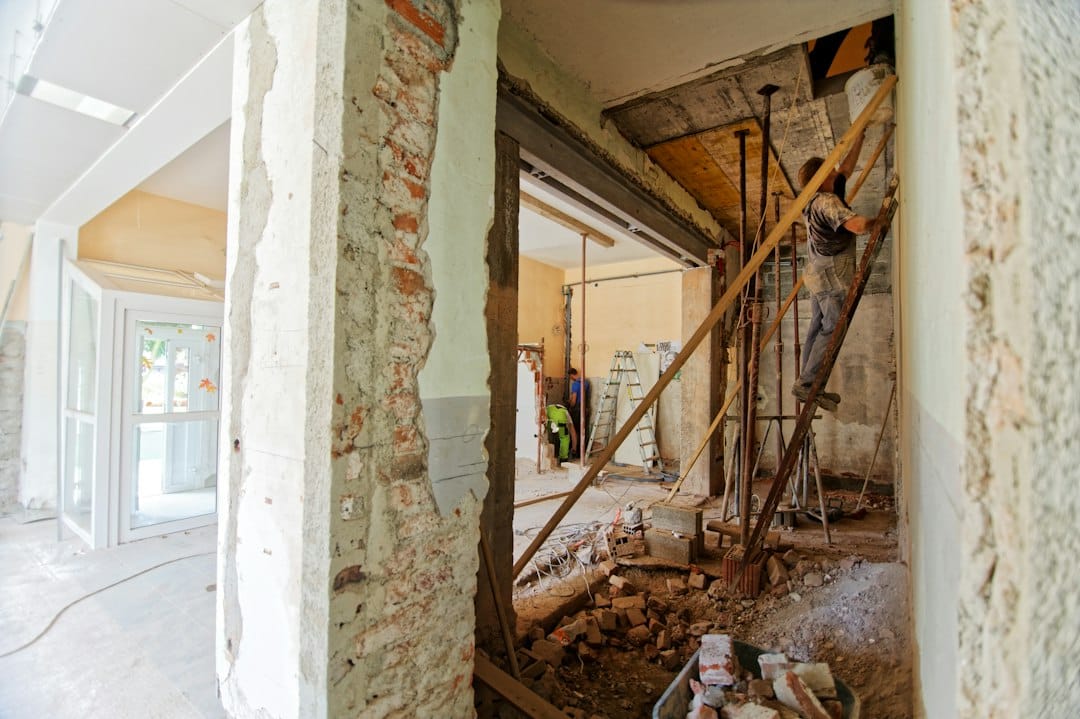
In a London property built or refurbished before 2000, those activities can disturb materials that may contain asbestos. The key issue is not damp itself; it is whether the remedial work will cut into, break up or remove older building materials before they have been properly identified.
Why damp-proofing can disturb asbestos-containing materials
HSE guidance shows that asbestos can occur in many materials used in residential buildings before 2000, including textured coatings, asbestos insulating board (AIB), vinyl floor tiles, bitumen adhesive, pipe lagging and other panels or linings. HSE’s Asbestos essentials also includes asbestos-containing bituminous products such as some historic damp-proof courses among materials that may require controlled removal.
That does not mean a damp wall or a modern damp-proof course contains asbestos. It means the materials around the area being treated need to be considered before intrusive work begins.
What parts of damp-proofing work may be intrusive?
| Common damp-proofing activity | Possible asbestos-related issue |
|---|---|
| Drilling walls for chemical injection | Drilling may pass through older coatings, boards or linings before reaching masonry. |
| Hacking off plaster or render | Removal can disturb textured coatings, concealed boards or previous wall finishes. |
| Removing skirting and wall linings | Older panels, packers or hidden materials may be exposed behind later finishes. |
| Lifting floor coverings | Older vinyl floor tiles, asbestos-paper backing and bitumen adhesive may be present. |
| Installing tanking or membrane systems | Preparation can involve stripping or mechanically disturbing existing wall and floor finishes. |
| Alterations around pipes and heating | Older service routes may include asbestos-containing lagging or panels. |
Does every damp-proofing job need an asbestos survey?
No. The appropriate level of investigation depends on the age of the property, the materials present and how intrusive the proposed treatment will be.
For example, applying a surface treatment to a modern wall is different from removing one metre of old plaster around several rooms, lifting historic flooring and drilling through multiple wall finishes.
Where work will disturb the fabric of a building constructed or refurbished before 2000, HSE guidance expects asbestos risks to be identified before work begins. A suitably intrusive refurbishment survey may therefore be needed if existing information does not cover the exact areas being disturbed.
Asbestos-containing damp-proof courses and bituminous products
Older bituminous products are an important but often overlooked point. HSE’s Asbestos essentials includes guidance for removing asbestos-containing bituminous products such as roofing felt, gutter linings and damp-proof courses.
This does not mean every black or bituminous damp-proof material contains asbestos. Identification by appearance alone is unreliable. If an older product will be removed, cut or substantially disturbed, it may need competent assessment or sampling.
Wall plaster itself is not automatically an asbestos material
Property owners sometimes assume that all old plaster contains asbestos. That is not a safe conclusion. The concern during damp remediation is often with associated materials: textured decorative coatings, AIB panels or partitions, service boxing, adhesives, floor finishes or concealed layers behind later refurbishment.
HSE’s building diagrams showing where asbestos can occur illustrate many of these locations in residential property.
Management survey or refurbishment survey?
A management survey is mainly intended to support normal occupation and routine maintenance. It is generally less intrusive and may not inspect behind fixed finishes or within wall and floor build-ups that are only exposed during refurbishment.
HSE’s Asbestos: The survey guide (HSG264) explains that refurbishment surveys are intended to identify asbestos-containing materials in areas where the building fabric will be disturbed. They may require access behind boards, panels, floors or other concealed locations.
For damp-proofing, the survey can often be targeted to the exact walls, floors and service areas included in the remedial specification rather than covering unrelated parts of the property.
What should the damp-proofing contractor tell the surveyor?
A useful survey scope should reflect the actual remedial work. Before arranging an asbestos survey, obtain a clear damp-proofing specification if possible. It should identify:
- which walls will be drilled;
- how high existing plaster or render will be removed;
- whether skirting boards or wall linings will be taken off;
- whether floor tiles, vinyl, adhesive or screed will be disturbed;
- whether tanking or waterproof membranes require mechanical surface preparation;
- whether pipework, heating or electrical services will be altered;
- any areas that were inaccessible during previous asbestos surveys.
This allows the asbestos inspection to focus on the materials that the damp treatment will actually disturb.
Owner-occupied homes, landlords and contractors
The legal position depends on who controls the premises and the work. The specific duty to manage asbestos under Regulation 4 of the Control of Asbestos Regulations 2012 applies to non-domestic premises and relevant common parts; it does not automatically make every private homeowner a dutyholder.
However, employers and contractors still have duties to identify asbestos risks and prevent exposure before work that could disturb asbestos-containing materials. HSE reiterated in 2026 that refurbishment, maintenance and repair work in older buildings needs suitable asbestos information before potentially asbestos-containing materials are disturbed.
Landlords, freeholders and managing agents may have additional responsibilities where they control maintenance or repair of common or non-domestic areas.
Damp-proofing asbestos checklist
- Was the property built or substantially refurbished before 2000?
- Will plaster, render or wall finishes be removed?
- Will drilling pass through textured coatings or older wall linings?
- Will skirting, boxing or fixed panels be removed?
- Will old vinyl floor tiles or black adhesive be disturbed?
- Will an older bituminous damp-proof material be cut or removed?
- Will plumbing, heating or electrical services be altered?
- Does an existing asbestos survey cover the exact walls and floors affected?
- Were any relevant areas previously recorded as “no access”?
What if suspected asbestos is uncovered during damp work?
If an unexpected material that may contain asbestos is uncovered, work in the affected area should stop and the material should be left undisturbed until it has been assessed.
The correct response depends on the material, its condition and the work required. Some lower-risk asbestos tasks may be undertaken by appropriately trained workers using suitable controls, while higher-risk work requires an HSE-licensed contractor. HSE’s Asbestos essentials provides task-specific guidance for some non-licensed activities.
Finding asbestos does not automatically mean every asbestos-containing material in the property must be removed. The immediate question is whether the material will be disturbed by the damp-proofing work and how the risk should be controlled.
Plan the asbestos check around the damp report
If you already have a damp survey or contractor’s quotation, use it to define the asbestos scope. A marked-up floor plan or list of treatment areas can help avoid unnecessary investigation while ensuring the relevant walls, floors and service zones are covered.
For broader building work, see our guide to asbestos surveys before renovating a London home. If old flooring is part of the project, our guide to asbestos floor tiles in London explains what to check before lifting or drilling. If an earlier survey recorded inaccessible areas, see our guide to asbestos survey “no access” areas.
Need an asbestos survey before damp-proofing in London?
If you are planning intrusive damp-proofing, plaster removal or tanking work in a London property, we can help define an asbestos survey or sampling scope around the areas that will be disturbed.
Request an asbestos survey quote and include the property type, approximate age and the damp contractor’s proposed scope of work if available.
This article provides general information and does not replace a property-specific asbestos assessment or professional advice.